Stop losing sales to stockouts. Manage your retail inventory like a pro with real-time tracking, smart alerts, and powerful analytics designed for small shops.
Retail inventory management is the process of tracking and controlling stock levels in retail stores to ensure products are available when customers need them, while minimizing carrying costs and preventing overstock situations. For small retail shops, effective inventory management is crucial for competing with larger retailers and maintaining profitability.
Small retail businesses face unique challenges: limited storage space, seasonal demand fluctuations, tight profit margins, and competition with larger stores. Retail inventory management software helps small shops overcome these challenges by providing real-time visibility, automated alerts, and data-driven insights. Learn more about mobile inventory management for on-the-go access or explore stock management software solutions.
Proven Results for Retail Shops
See the measurable impact retail inventory management has on shop operations.
Reduction in Stockouts
Prevent lost sales during peak seasons
Cost Savings
Reduce inventory carrying costs
Hours Saved Per Week
Eliminate manual inventory tracking
Reduction in Overselling
Real-time sync prevents overselling
Reduction in Overstock
Optimize purchasing decisions
Inventory Accuracy
Real-time tracking ensures accuracy
Retail Inventory Use Cases
How retail shops use StockFlow to manage inventory and boost profits.
Multi-Store Inventory Sync
Sync inventory across multiple retail locations in real-time. See what's in stock at each store and transfer items between locations as needed.
Manage inventory across unlimited store locations
Seasonal Demand Management
Track historical sales data to predict seasonal demand patterns. Prepare for busy periods by optimizing stock levels and identifying trending products.
35% reduction in stockouts during peak seasons
POS Integration
Integrate with POS systems to automatically update stock levels when sales occur. Ensure inventory is always accurate across all sales channels.
Real-time inventory sync with POS systems
Supplier Management
Track suppliers, order history, and delivery schedules. Streamline purchasing and ensure timely restocking of popular items.
25% improvement in supplier relationships
E-commerce Integration
Sync inventory with online stores and marketplaces. Prevent overselling and ensure accurate stock availability across all sales channels.
95% reduction in overselling incidents
Inventory Audits
Perform regular inventory audits with mobile barcode scanning. Maintain accuracy year-round and identify discrepancies quickly.
10+ hours saved per week on inventory counts
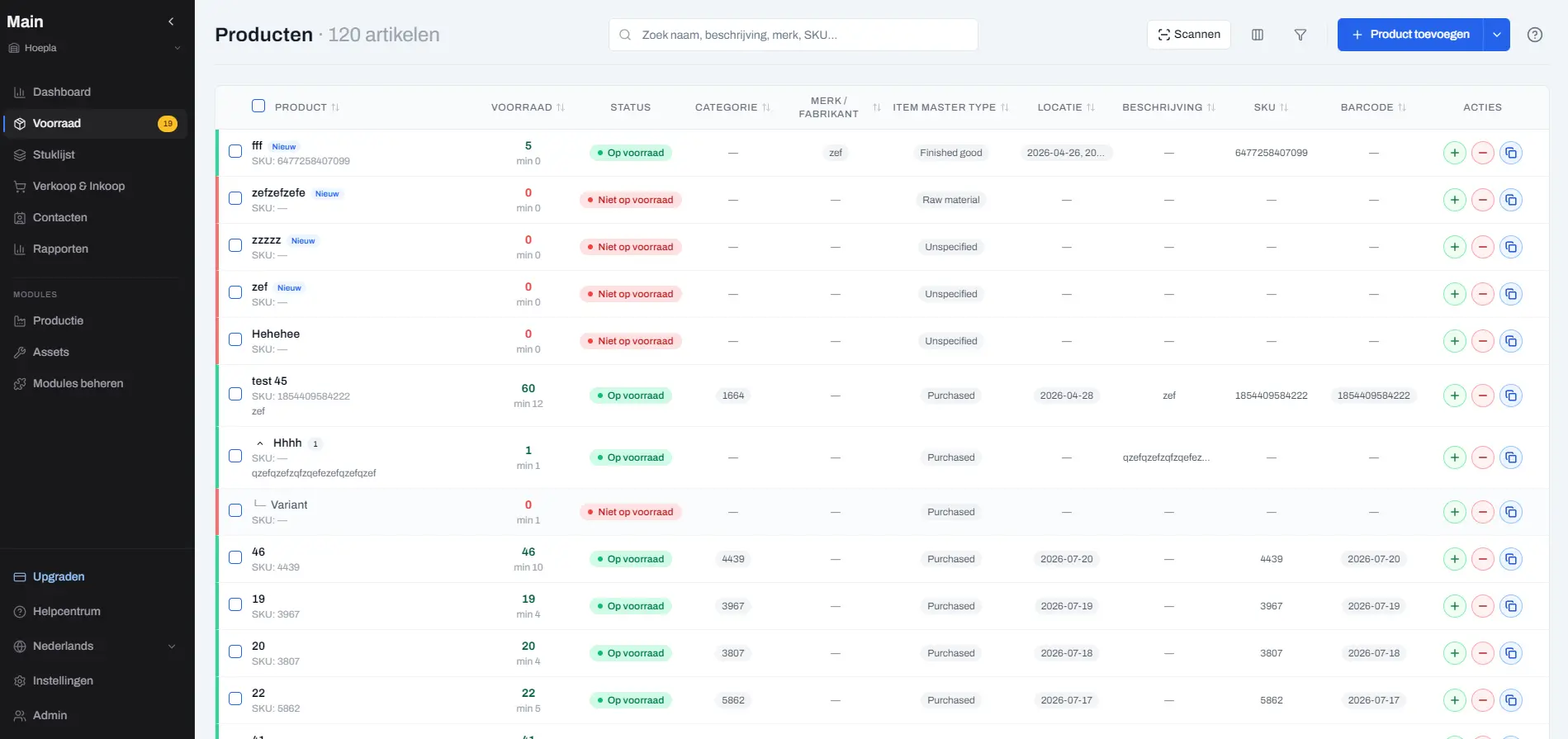
See StockFlow in Action
Manage retail inventory with real-time tracking, POS integration, and multi-store sync.
Common Retail Challenges We Solve
Small retail shops face unique inventory challenges. Here's how we help you overcome them.
Seasonal Demand Spikes
Retail shops face unpredictable demand during holidays and seasons. Our system tracks patterns to help you prepare.
Our Solution:
Historical data analysis and demand forecasting
Limited Storage Space
Small shops have limited space for inventory. Optimize your stock levels with intelligent reorder points.
Our Solution:
Space-efficient inventory optimization
Cash Flow Management
Tight profit margins require careful inventory investment. Track ROI and optimize purchasing decisions.
Our Solution:
Financial tracking and cost optimization
Competition with Big Retailers
Compete with larger stores by having the right products in stock when customers need them.
Our Solution:
Real-time visibility and quick restocking
Everything You Need for Retail Success
Powerful features designed specifically for small retail shops and independent stores.
Real-time Stock Tracking
See stock levels update instantly as sales happen. Know exactly what's available right now not tomorrow morning.
Mobile Barcode Scanning
Use your phone's camera to scan barcodes. Count 100 items in 3 minutes instead of 30. No special hardware needed.
Low Stock Alerts
Get alerts when items hit reorder points. No more guessing the system tells you exactly when to order.
Sales Analytics
Identify bestsellers automatically. See seasonal patterns. Spot dead stock before it expires. Make purchasing decisions based on data, not gut feeling.
Supplier Management
Keep track of your suppliers, order history, and delivery schedules to streamline your purchasing process.
Multi-location Support
Manage inventory across multiple store locations or departments from a single dashboard.
Transform Your Retail Business
Join hundreds of retail shops that have improved their operations with StockFlow.
Get Started in 4 Simple Steps
Set up your retail inventory management system in minutes, not weeks.
Set Up Your Products
Add your products with barcodes and set optimal stock levels
Configure Alerts
Set low stock alerts and reorder points for each product
Train Your Staff
Train your team on barcode scanning and daily procedures
Monitor & Optimize
Use analytics to continuously improve your inventory management
Specialty retail inventory patterns
Many niche shops need the same retail stack, barcodes, reorder points, multi-location stock, with a few domain-specific extras. Use the patterns below instead of a separate system for every niche.
Pool & spa supply
Chemicals need lot and expiry tracking at receiving; parts and accessories behave like seasonal retail. Track warehouse vs. service-van locations and order against weekly open-up sell-through, not a flat annual guess.
Optical & eyewear
Frames should be tracked by brand, style, color, and size, not one SKU per model. Flag consignment stock separately from owned inventory, treat stock lenses as reorderable SKUs, and keep prescription lab orders in a job pipeline rather than as shelf stock.
Tattoo studios & supply shops
Inks and sterile supplies carry lots and expiry dates; needle cartridges need SKU-level types, not a single “needles” bucket. Separate shared studio stock from artist stations so usage and reorders stay honest.
Deeper specialty guides
For shops with more complex models, see bicycle shop inventory (serialized bikes plus service-bay parts) and antique & collectibles inventory (unique-item and consignment tracking).
ROI of Retail Inventory Management
Cost Savings
Time Savings
Most retail shops see ROI within the first month
Through cost savings, time savings, and improved customer satisfaction
Best Practices for Retail Inventory Management
1. Set Accurate Reorder Points
Calculate reorder points based on lead time, average daily sales, and safety stock. This ensures you reorder before running out while avoiding overstock. Learn more about lead time and how it affects reorder points.
2. Use ABC Analysis
Focus your attention on high-value items (A-items) that drive most of your revenue. These items need tighter control and more frequent monitoring than low-value items.
3. Regular Cycle Counting
Instead of annual physical counts, perform regular cycle counts of high-value items. This maintains accuracy year-round and identifies discrepancies quickly.
4. Track Seasonal Trends
Monitor historical sales data to identify seasonal patterns. Adjust stock levels before peak seasons to ensure you have adequate inventory when demand spikes.
Trusted by small businesses
What our customers say
“Super Kind! Quick replies from their support and very easy fixes, changed the dashboard a bit and customized it. Also gave me 450 items extra on the free plan just for me. Highly recommend and again great service!”
“Best customer service! Stockflow's customer support is fast and extremely helpful. They assisted me with customization of the software to improve my experience as a user.”